












In The Studio: Nosapluna

It’s a beautiful May morning when Campbell and I make our way on foot to meet Sami and Paavo for coffee. They are excited for us to try Helsinki’s ‘best cinnamon rolls’, which are indeed delicious, and bigger than the plates that hold them. The plan is to visit their production facilities in Suomenlinna, an idyllic island fortress that sits a short ferry ride from Helsinki.

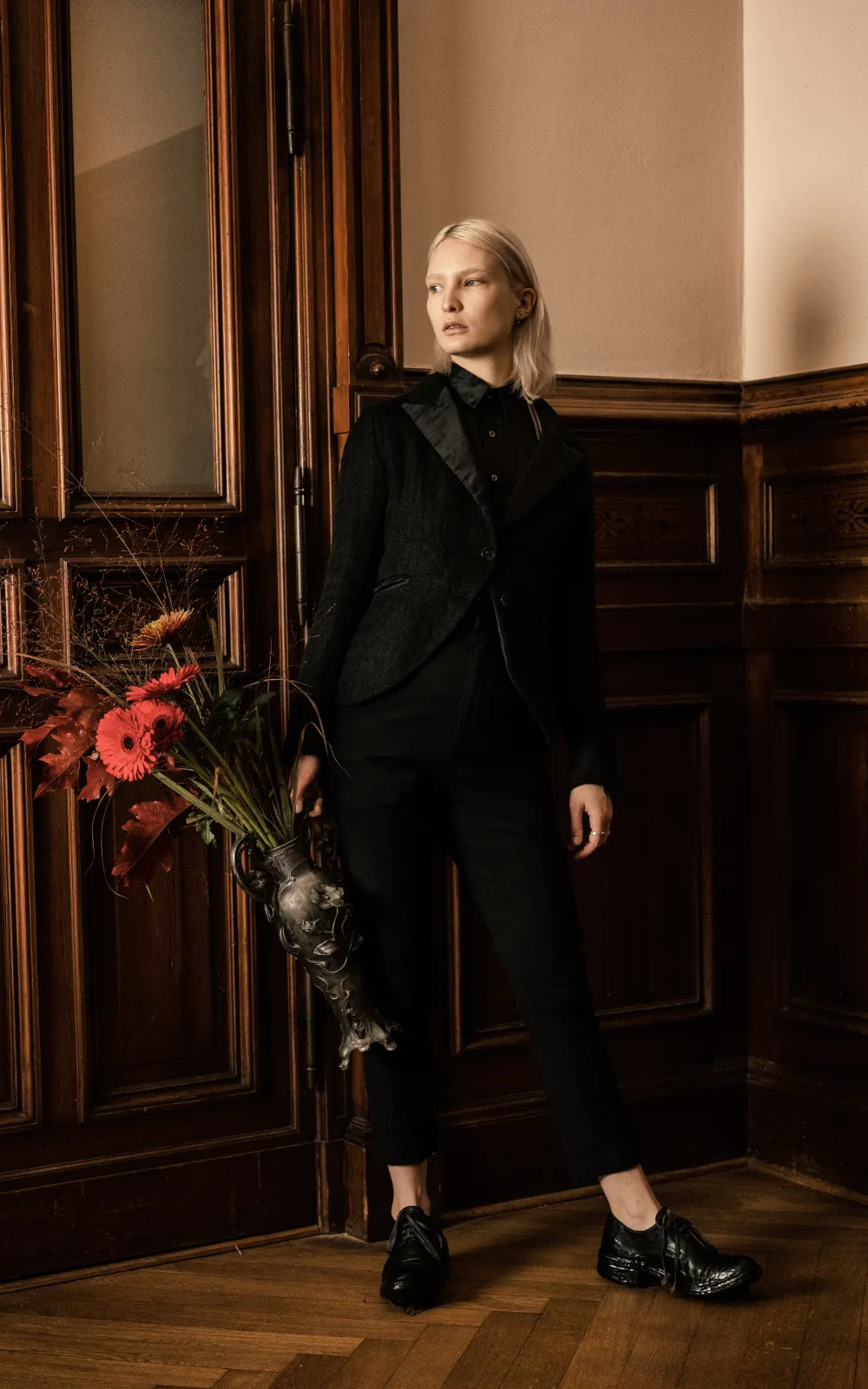
Nosapluna was established by four founding members while they were still completing their studies, just before graduation. The label is now led by founders Sami and Paavo, whose work is rooted in many years of hands-on research into historical clothing.
Their “no template” approach to slow garment making quickly left them feeling alienated in the fashion industry, until they stumbled upon artisanal fashion, at L’Eclaireur in Paris. At first, they didn’t even want to use machines; theirs is a project of unfiltered authenticity and love of the craft.

By the time we arrive at the workshop after a refreshingly breezy ferry ride and a leisurely stroll through the green rolling hills of Suomenlinna, (with a pit-stop at the history museum, of course) five other young men are already at work.

The contrast of the bright blue sky and the darkness of the studio make the light Caravaggesque. Juuso, Rasmus and Arttu sit at the large table by the window, hand sewing, and greet us with warm politeness. Niilo works the 100-year-old hand loom with a broad smile, throwing the shuttle back and forth… clearly having fun, despite the work being physically demanding. Oiva sits in the leather workshop, strands of blonde hair glimmering against the darkened workbench as he hand-dyes a pair of slippers and explains the process to me. I feel like Berlin is – suddenly – a whole galaxy away.

Yet, we do not feel out of place. On the contrary, we feel at home immediately and conversation flows easily. “We are not just some young people making old clothes, and we don’t follow a straightforward way of making a brand. The garments and shoes we make are seen as traditional, but we are not exactly that. We are about finding our own way, our own honest viewpoint”, says Paavo. Sami adds: “Historically, there were master tailors in major cities who learned the craft from others. But in small towns, people just figured it out. They worked back from a shape, like a jacket, then sculpted the fabric directly on the moving body and learned how to make it wearable.”

Sami, Paavo and the team enjoy the intuitive process of creation. What strikes me the most about how Sami and Paavo describe their work are the synesthetic analogies; they speak of “capturing the moment, like sketching” and call their process of making garments “freehand”. They talk about their material choices as “fresh ingredients in a kitchen”. They describe their unique way of operating as “live chamber music”, as opposed to mass-produced clothes, which are like “a stadium concert”. In the Nosapluna world, “seams are like musical notes”, because each one has an impact and they all work together to create a song.

But the earth – in all its 21st Century glory – continues to spin outside the idyll of Suomenlinna, and deadlines arrive as imperviously for them as they do for the rest of us.
The warrior spirit of these young Finnish men really comes out in full force when faced with a deadline. “Like fighting a guerrilla war”, says Sami about the days before Fashion Week. Paavo: “We’re here at 11 pm, wondering what time to wake up at: 4 am. And at 4 am we start again, it's quite desperate! Then you get momentum.” Sami jokes: “If people would see us before delivery, it's like Hell's Kitchen. The needle is flying! People are stitching like rock & roll, not grandma!” And when the intensity is over, they simply begin again with the long process of developing. They acknowledge that the process may seem monotonous, but it doesn't feel so. The key is finding the passion, like in sport or art. Then it's freeing.

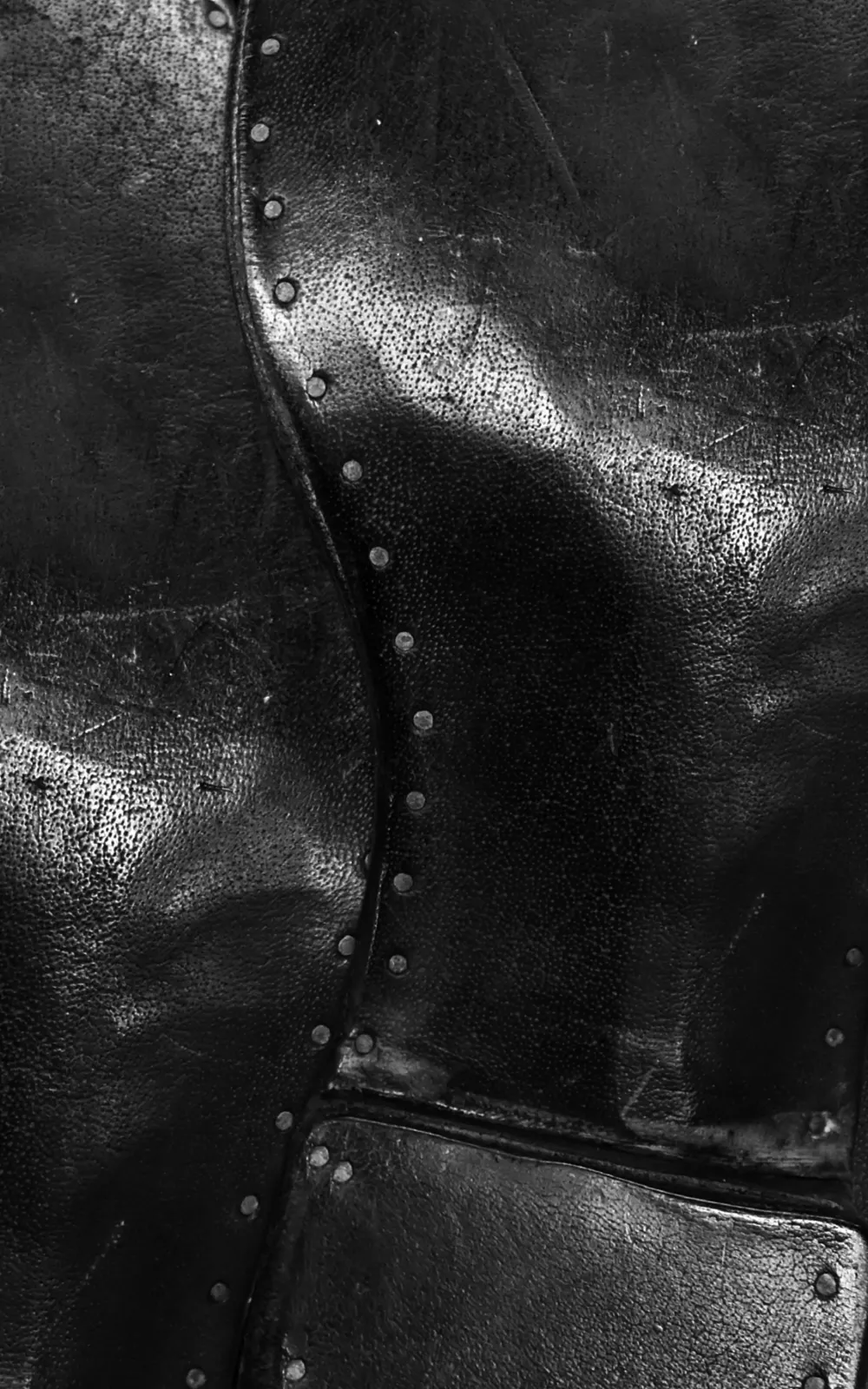
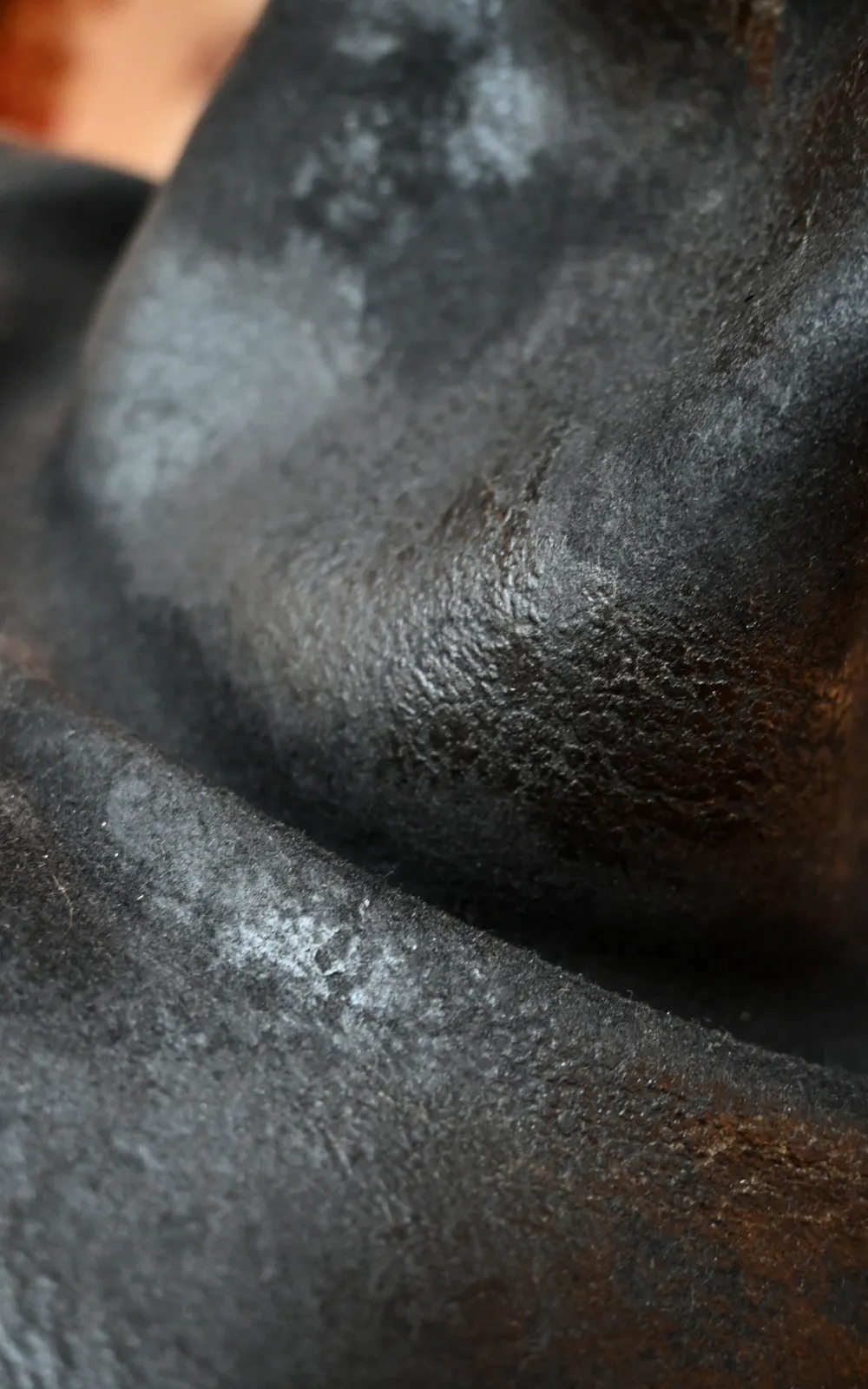
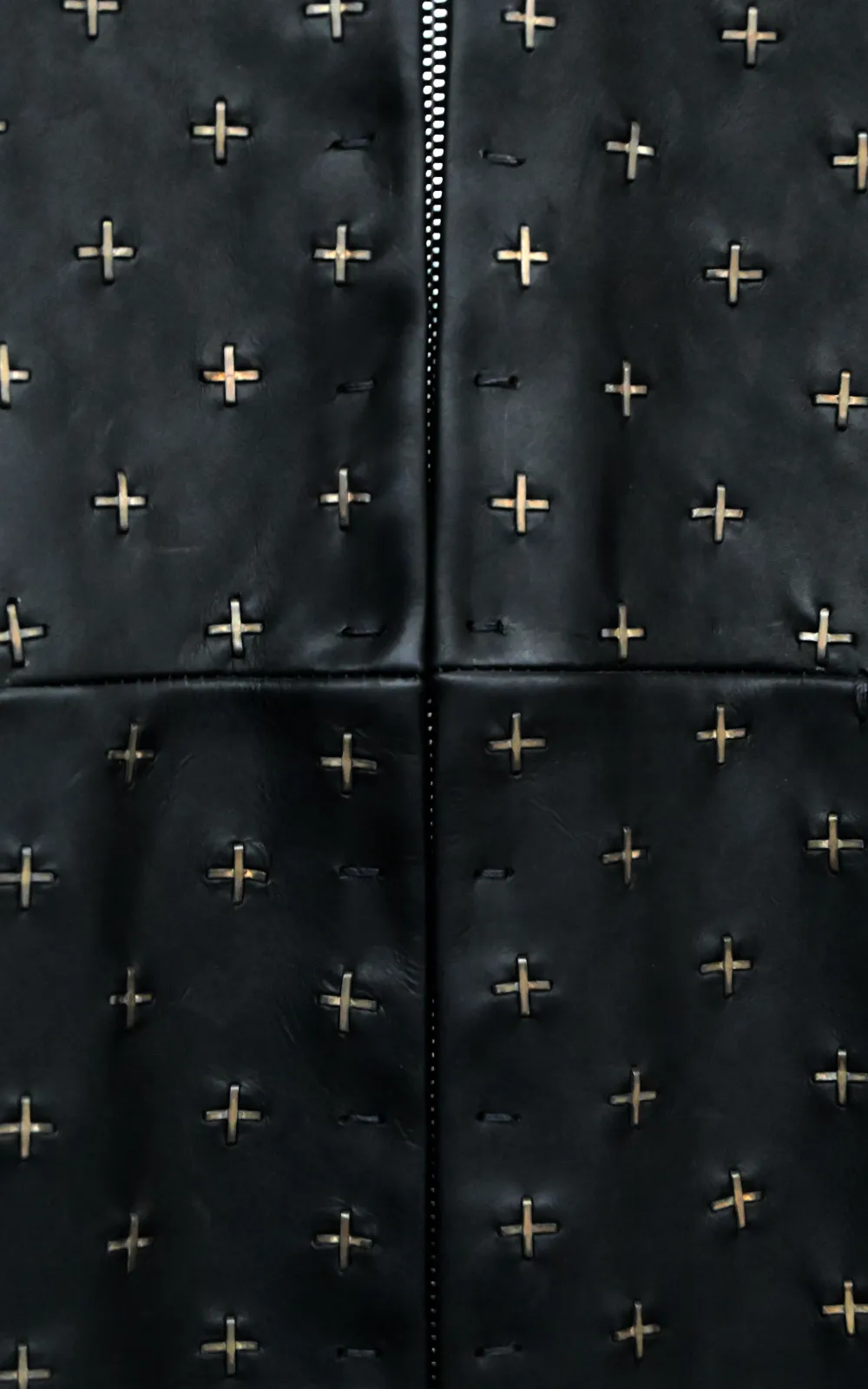
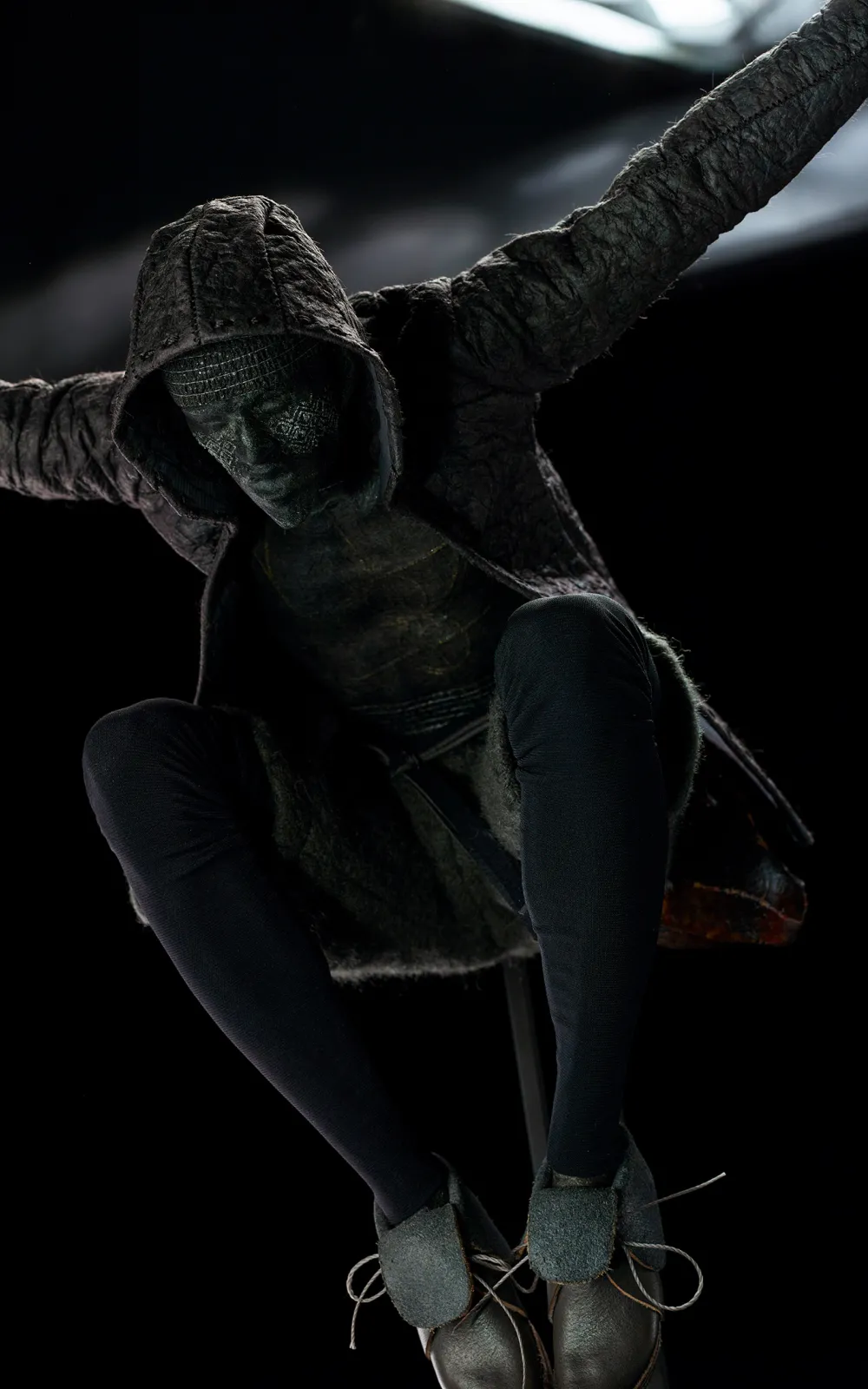
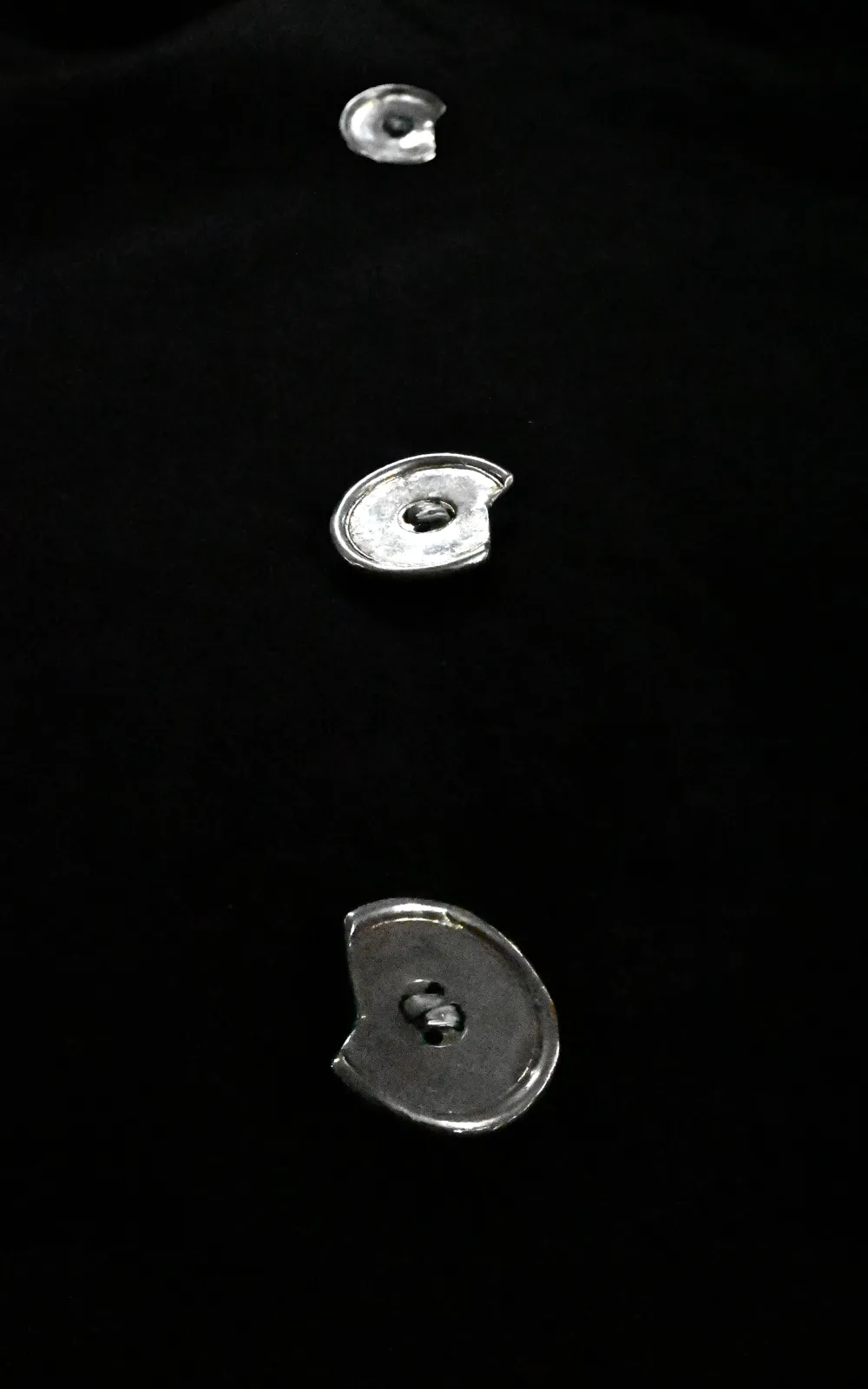
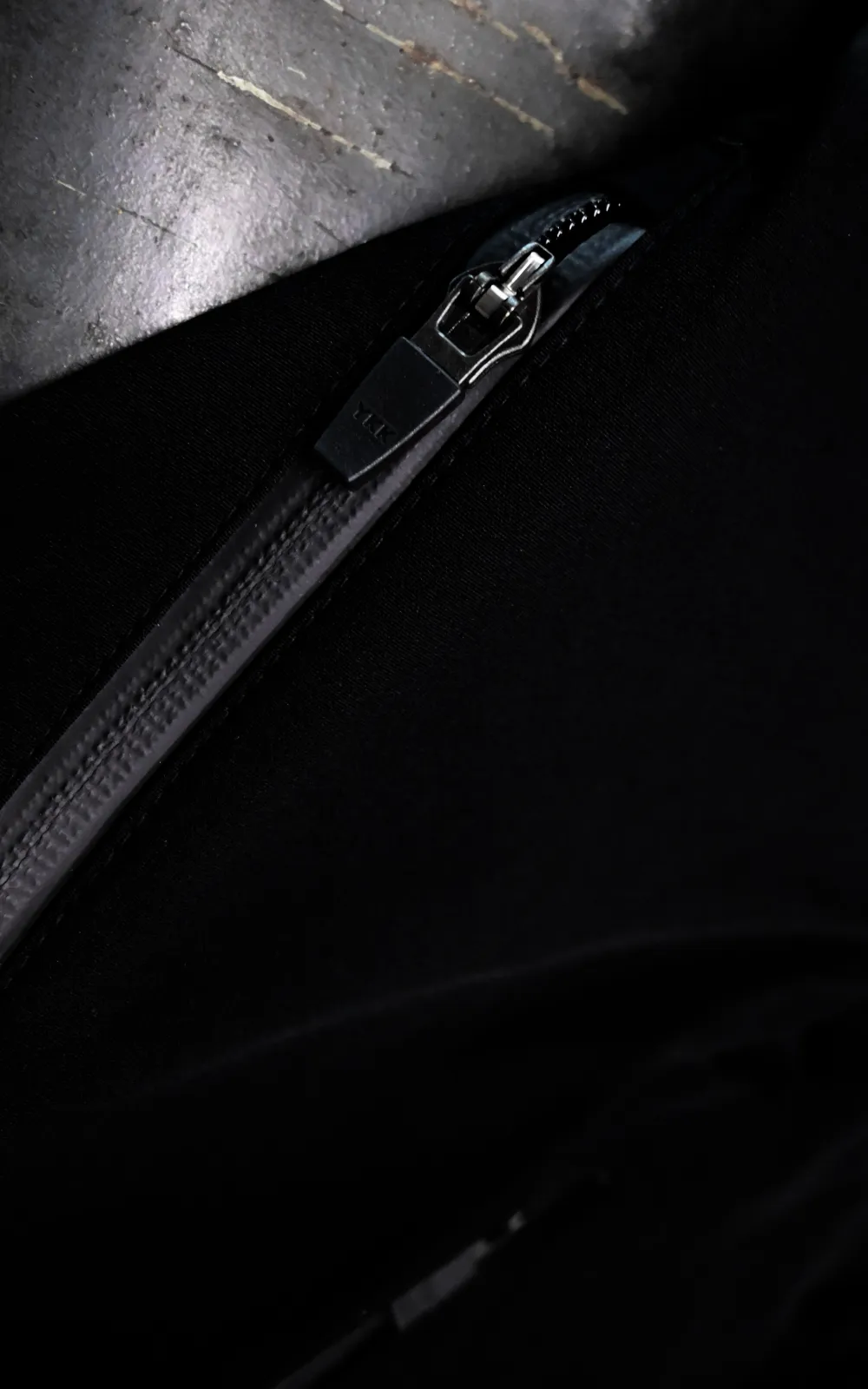
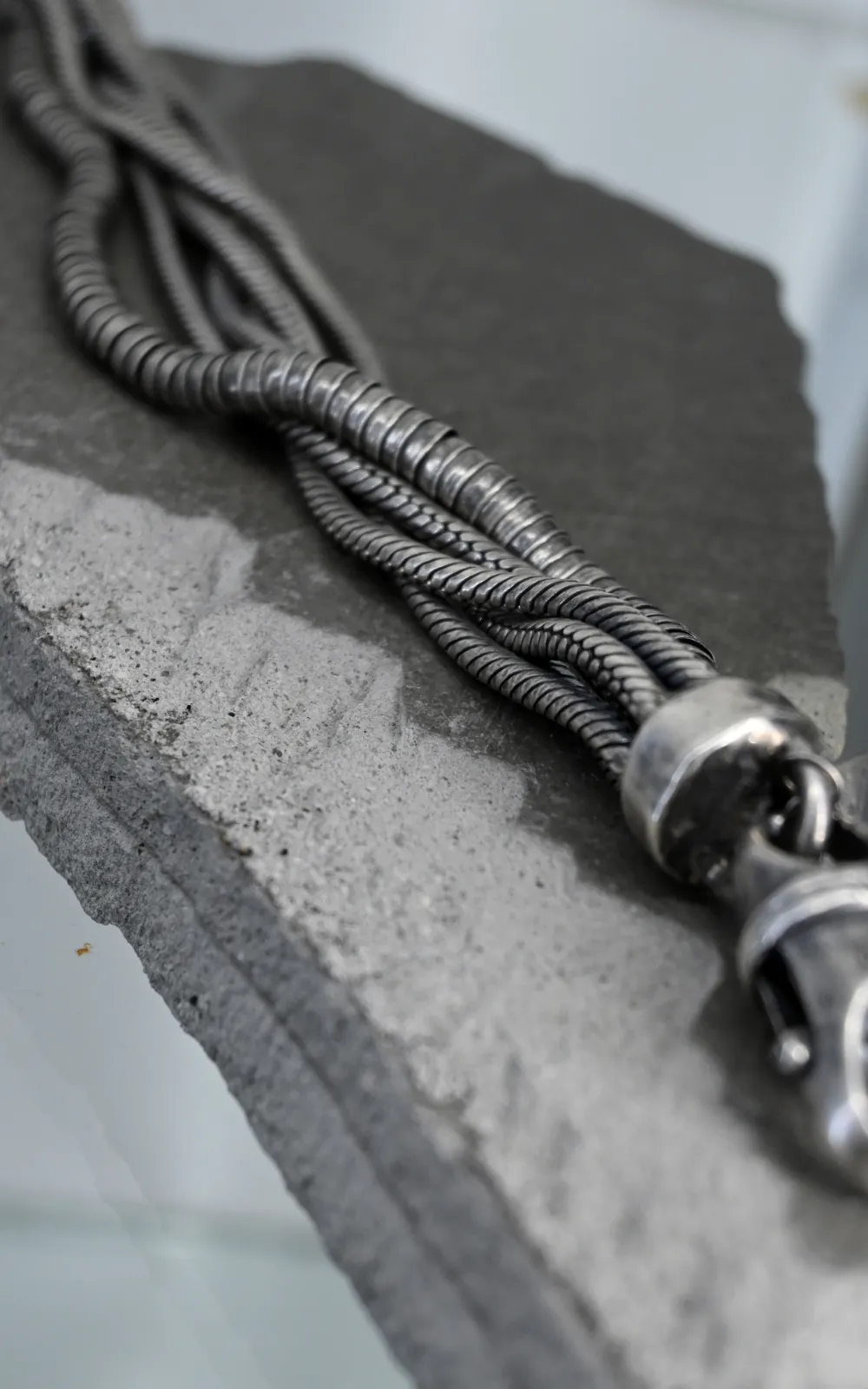
Perhaps part of what makes it freeing instead of tedious is their unique way of working: They can create their own system and refine it until it works, even if it doesn't always go smoothly. They admit with a smile that “something always goes wrong, but it's ok”. Defects are part of the process, and they embrace what they call “the wonky aesthetic”. Their clothing is not monotonous; it has the feeling of the creator inside. You can “read the seams of a handmade garment like handwriting, you can see what's inside them: the hand and the soul.” All the hours of hammering, sewing, shaping with water… they are visible in every piece, and especially in the leatherwear.

Everything Nosapluna does is imbued with life and movement, and this fluidity allows them to have a different focus every day: sleeves one day, nails on shoes the next. Work is a big part of their life, but it is work with friends. “Our friends come before our work”, they say. Most of their friends are artists, and they like to do “normal” things… like going to the countryside. “Our life is not out and about, it’s not fashiony at all”. They believe that relation and intimacy with each other, and with their work, is what creates authentic value. “At the end of the day, our work is still in our head, developing. It doesn’t end, it continues”.

“The concept of ‘no pattern’ sometimes feels stupid, but it's honest.” - says Sami – “It's stupid in a good way, like making music.” Their focus is on the craft, not the fashion… and certainly, you will not find a trend board hanging within a several kilometer radius from the Nosapluna studio. “There is wisdom in knowing the technical side, the material and the process. (…) Quality control is also quantity control. But we are not really stupid, we know how to engineer a garment so it's not a battle to make. That way, everyone can enjoy the process and take care of the details.”

By the time we leave the atelier, the wind has picked up. Trees sway, our clothing flaps, and Campbell’s hat threatens to make a swift escape into the dry docks. We walk around the island once more, admiring the sun glistening in the distant sea, where the clouds gap. We have a wonderful dinner together. Then, as I walk home that evening, I think about how this idea – one that, by their own admission, sometimes still feels 'stupid' – has resulted in a respected avant-garde brand, local fabric mills kept in business, and soon, an entire shoe factory brought to the island.
Somehow, the most stupidly brilliant idea in fashion today.

Photography and text by: Estefania C. Campillo S.